

Many people think arthritis is just something that happens to older dogs. Makes sense, right? After all, most people get osteoarthritis (OA) when they are older, after years of wear and tear.
But dogs aren’t people.
While humans generally develop primary arthritis, dogs actually get secondary osteoarthritis – arthritis that forms due to an underlying orthopedic problem. Conditions like hip dysplasia, elbow dysplasia, or cruciate ligament injuries can damage a joint early in life, setting the stage for joint degeneration and years of pain.
And unfortunately, many dogs are genetically predisposed to these conditions.
So how big of a problem is this?
A recent study1 published in 2024 found that 40% of dogs under four years old already have evidence of osteoarthritis on X-rays in at least one joint. More than 30% of dogs had arthritis in at least two or more joints.
Let that sink in.
Many dogs are developing arthritis while they are still young.
And dogs are very good at hiding pain.
In that same study, only about one quarter of the dogs with arthritis visible on x-rays showed obvious signs of pain during a veterinary exam. And even when they did show signs of pain, owners only recognized those signs about 30% of the time.
So imagine 100 dogs under four years old:
40 already have osteoarthritis…
10 of painful enough for a veterinarian to detect.
Only 3 will by noticed by their owner.
The odds aren’t really in our dogs’ favor.
And the data supports that. A study out of the UK2 showed that the median age of diagnosis in dogs is 10.5 years old.
That means that most of those dogs those 40 dogs with early arthritis will spend six years or more living with pain before they are diagnosed and treated.
Six years is simply too long.
Our dogs deserve better.
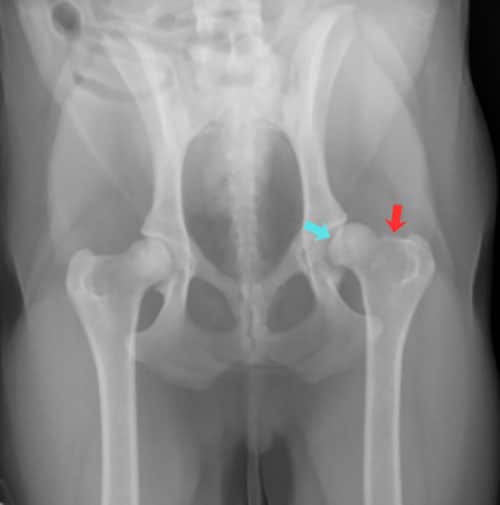
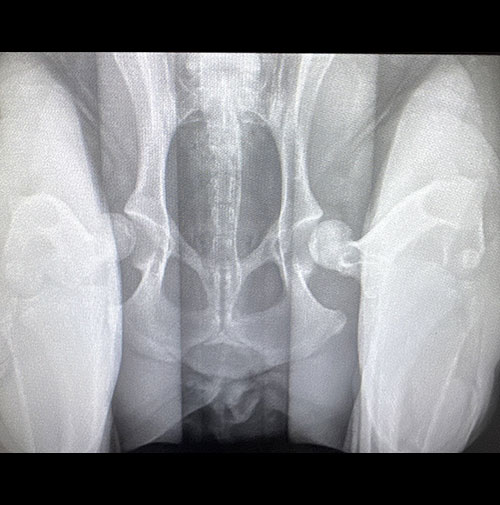
The good news is that early diagnosis and treatment can actually slow the progression of arthritis, significantly improving long-term comfort and mobility.
But before we can treat these dogs, we have to find them. And finding them is going to take a joint effort.
Veterinarians are becoming better at identifying early arthritis, but pet owners play a critical role. Learning to recognize the subtle signs of pain in dogs can make an enormous difference in how early arthritis is detected – and how well it can be managed.
The earlier we help our dogs, the more years of comfortable, active life we can give them.
In our next issue, we will talk about some of the subtle signs of pain most owners miss.





Leave A Comment